Restaurants & AI Search: Boost Your Visibility Now!
AI search is reshaping how diners discover restaurants — and most owners are already behind. Here is what you need to know to stay visible where it counts.
AI search is reshaping how diners discover restaurants — and most owners are already behind. Here is what you need to know to stay visible where it counts.
Ignoring AI search is not a neutral choice — your competitors are actively using it to take your customers.
AI-driven search engines like ChatGPT, Gemini, and Perplexity are now primary discovery tools for local dining decisions.
Your restaurant's online presence needs a clear, structured signal that AI engines can read, trust, and recommend.
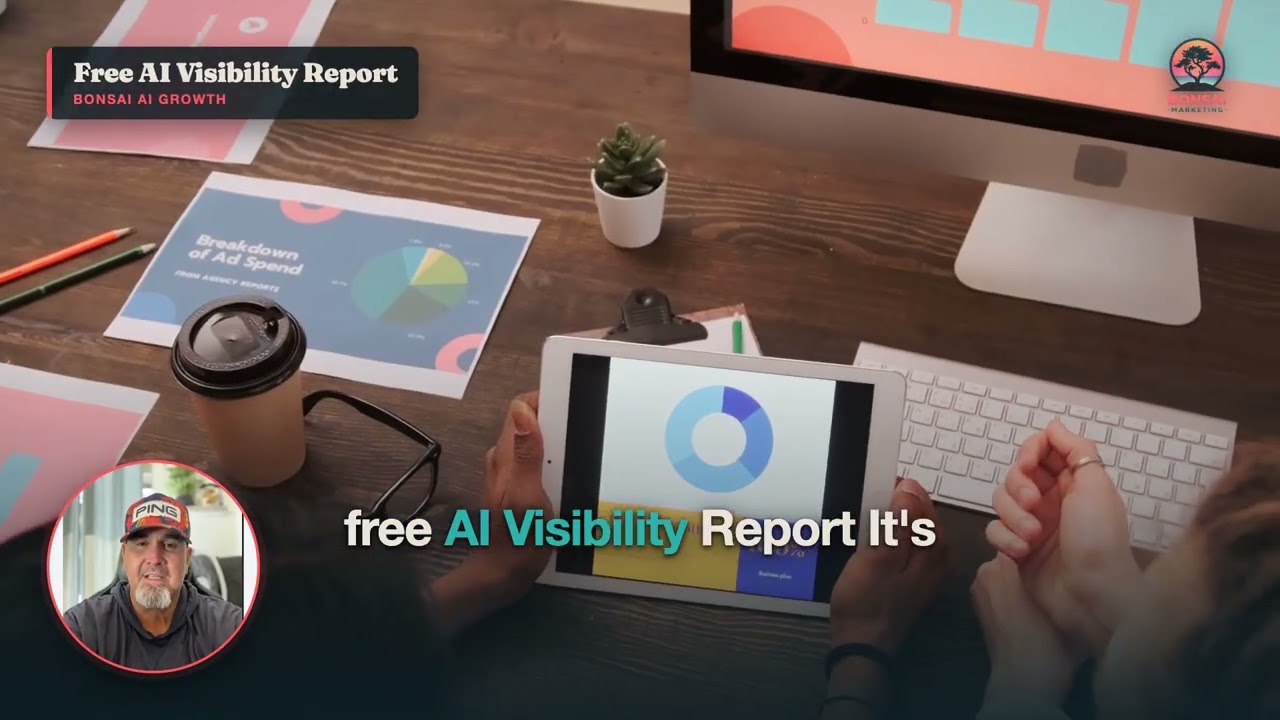
A free AI visibility report acts like a GPS for your digital footprint — showing exactly where you stand and what to fix.
Visibility in AI search is not a future problem. It is a right-now problem with right-now consequences.
Most restaurant owners are focused on the right things: great food, tight operations, loyal regulars. What they are not focused on is the quiet shift happening in how new customers find them. AI search has moved from novelty to infrastructure, and the restaurants that understand this early will own the visibility that others are about to lose.
The Discovery Problem Nobody Is Talking About
When someone opens ChatGPT, Gemini, or Perplexity and asks for the best brunch spot nearby, those engines do not show a list of blue links. They give a direct answer — with a name, a reason, and often a recommendation strong enough to end the search right there.
If your restaurant is not part of that answer, you did not rank low. You do not exist in that moment.
This is the visibility gap that is quietly costing restaurants customers every single day.
What AI Engines Actually Need From You
AI search engines are not guessing. They are pulling from structured, consistent, credible signals across the web. That means your Google Business Profile, your website content, your review patterns, your menu data, and the way local sources talk about you all feed into whether an engine feels confident enough to recommend you.
When those signals are weak, inconsistent, or missing, the engine skips you — not out of bias, but out of uncertainty. It recommends what it can verify.
The Most Common Mistakes
Restaurant owners who fall behind in AI search typically share a few patterns:
- They assume their existing SEO work is enough (it is not — AI search has different ranking logic)
- They have inconsistent business information spread across platforms
- Their website content does not answer the specific questions AI engines are trained to respond to
- They have no strategy for how their restaurant is described, cited, or discussed across the web
Ignoring AI search is the biggest mistake of all — because your competitors are not ignoring it.
Visibility Is a Strategic Decision
Getting your restaurant to show up in AI-driven search results is not about gaming an algorithm. It is about giving AI engines what they need to trust you: clear information, consistent data, and content that answers real questions real diners are asking.
That work is auditable. You can measure where you stand today, identify what is missing, and close the gaps methodically.
Start With a Clear Picture
Before you can improve your AI visibility, you need to know what AI engines currently see when they encounter your restaurant. That means auditing your digital footprint — not just your website, but every touchpoint that feeds into how you are represented in AI-generated answers.
An AI visibility report does exactly that. It maps your current presence, surfaces the weak points, and gives you a prioritized path forward. Think of it as a diagnostic before the treatment — clear, specific, and actionable.
The Window Is Open, Not Forever
Restaurants that move now will build the kind of authoritative, well-structured presence that AI engines return to again and again. Those that wait will find themselves in a harder, more expensive position — trying to reclaim ground that their competitors have already claimed.
AI search is not coming. It is here, it is accelerating, and the restaurants it recommends are the ones doing the work to earn that recommendation. The question worth asking today is whether yours is one of them — and if not, what you are going to do about it starting now.
Answered.
How does AI search affect restaurant discovery? +
AI engines like ChatGPT, Gemini, and Perplexity now answer dining queries directly, often without sending users to a search results page. If your restaurant is not optimized for these engines, you simply do not appear — regardless of how good your food is.
What mistakes do restaurant owners make with AI search? +
The most common mistake is ignoring AI search entirely while competitors move in. The second is having an inconsistent or thin online presence that AI engines cannot confidently cite or recommend.
What is an AI visibility report for restaurants? +
It is an audit of how your restaurant currently appears — or fails to appear — across AI-driven search engines. It identifies gaps in your digital footprint and gives you a clear starting point for improvement.
Which AI search engines should restaurants care about most? +
Focus on ChatGPT, Google AI Overviews, Gemini, and Perplexity. These are the platforms where diners increasingly ask for recommendations and where your visibility directly affects foot traffic and reservations.
How quickly does AI search optimization produce results for restaurants? +
Structural improvements to your online presence — consistent data, authoritative content, clear entity signals — can start influencing AI recommendations within weeks, not months.