Mastering Hyper-Local SEO: Service Pages for Sonoma County
Hyper-local SEO isn't about ranking everywhere — it's about owning the searches that matter in your backyard. Service and city landing pages are the engine that makes it happen.
Hyper-local SEO isn't about ranking everywhere — it's about owning the searches that matter in your backyard. Service and city landing pages are the engine that makes it happen.
Service and city landing pages are the foundation of any hyper-local SEO strategy — without them, you're invisible to the customers closest to you.
Targeting local keywords specific to your service area, like Sonoma County neighborhoods and towns, is what separates businesses that get found from businesses that get passed over.
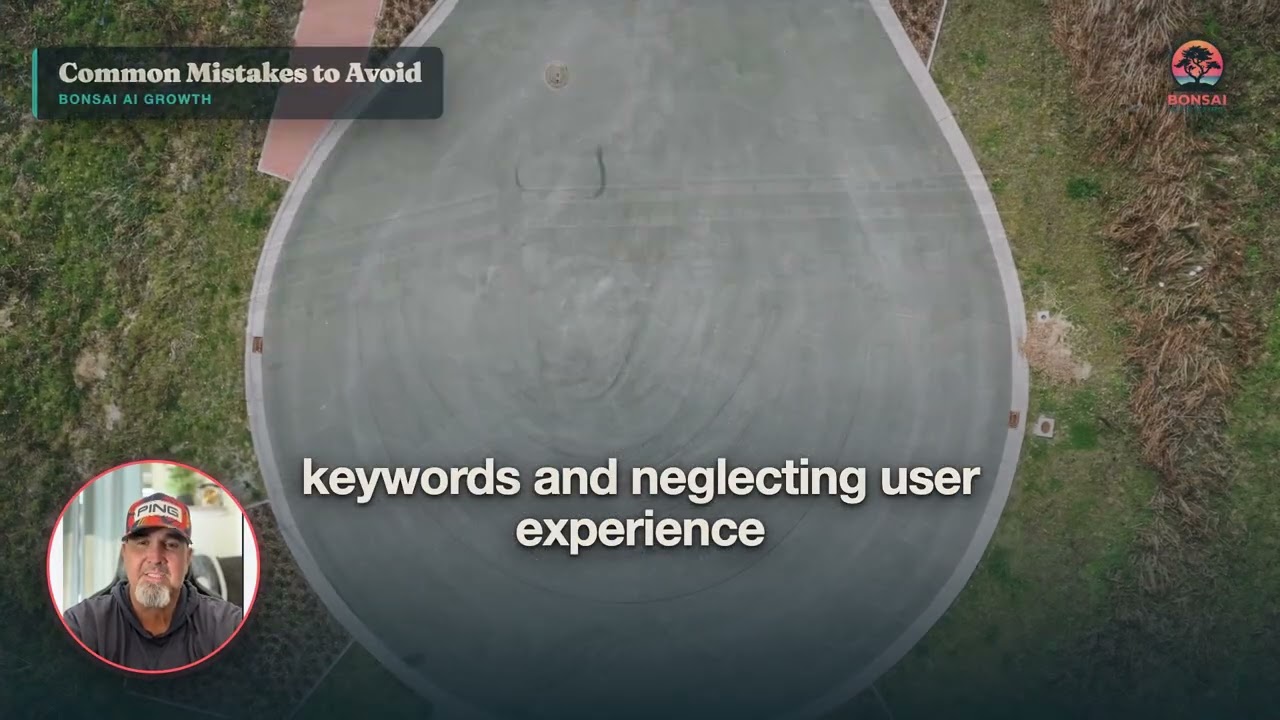
Neglecting mobile optimization and user experience are two of the most common — and costly — mistakes local service businesses make.
AI tools can analyze local search data and surface insights that help you refine your content and outperform competitors in your target market.
A well-executed hyper-local strategy doesn't just increase traffic — it increases the right traffic, from buyers who are ready to act.
If your service business operates in Sonoma County but your website doesn’t say so — clearly, specifically, and repeatedly — you’re leaving real revenue on the table. Local visibility isn’t a nice-to-have. It’s the difference between a phone that rings and one that doesn’t.
What Hyper-Local SEO Actually Means
Hyper-local SEO is the discipline of optimizing your online presence to show up when people in a specific area search for what you do. Not statewide. Not regionally. In your city, your neighborhood, your market.
For service businesses across Sonoma County — whether you’re in Santa Rosa, Petaluma, Healdsburg, or Rohnert Park — this means your website needs to speak the language of the communities you serve. Search engines read geography. So does your potential customer.
Why Service and City Landing Pages Are Non-Negotiable
A single homepage cannot do this work. One generic “Services” page cannot do this work. What actually moves the needle is a dedicated page built around a specific service in a specific location.
Think: roof repair in Windsor or house cleaning in Sebastopol. Each of those is a distinct search intent. Each deserves its own page — with relevant content, local context, and a clear path to contact.
This structure does two things simultaneously. It tells search engines exactly where you operate and what you do. And it tells the visitor that you’re not a generic provider — you’re their local option.
The Mistakes That Kill Local Visibility
Most service businesses make the same errors, and they’re avoidable:
- No local keywords. Content that never mentions specific cities or service areas reads as generic to both search engines and AI answer tools.
- Poor mobile experience. The majority of local searches happen on mobile devices. A slow or cluttered page loses the customer before they read a single line.
- One-page strategies. Trying to rank for every service and every city on a single page doesn’t work. Specificity wins.
What Best-Practice Execution Looks Like
Strong hyper-local SEO follows a clear playbook. Use local keywords naturally and consistently. Build content that reflects real knowledge of the area — not just a city name dropped into a template. Make every page fast, clean, and mobile-friendly. And structure your site so search engines can easily understand your service footprint.
AI answer engines like Google AI Overviews, Perplexity, and ChatGPT are now surfacing local business information in direct answers. That means your content needs to be quotable — specific, structured, and authoritative enough to earn a citation in an AI-generated response. Generic content doesn’t get cited. Precise, well-organized content does.
The Role of AI in Local SEO Strategy
AI tools bring a level of analytical depth that changes how you approach local content. They can identify which local search terms carry real intent, where your competitors are outranking you, and what content gaps exist in your market. That intelligence feeds smarter decisions — faster.
The case for acting now is straightforward. Businesses that build out their hyper-local page structure today are building an asset. Every page is a new entry point, a new signal, a new opportunity to get found by someone who is actively looking for what you do.
The Sonoma County market is competitive, but it’s also winnable — and the businesses that invest in deliberate, specific local SEO will be the ones that own it.
Answered.
What is hyper-local SEO and why does it matter for service businesses? +
Hyper-local SEO focuses on optimizing your online presence to attract customers from specific geographic areas rather than broad regions. For service businesses in places like Sonoma County, this means appearing in searches made by people who are ready to hire — not just browse.
What are service and city landing pages and how do they help? +
Service and city landing pages are dedicated web pages that target a specific service combined with a specific location — for example, a plumber in Santa Rosa or a landscaper in Petaluma. They signal relevance to search engines and AI answer tools, making it easier for local customers to find exactly what they need.
What are the most common hyper-local SEO mistakes? +
The two biggest mistakes are failing to use local keywords naturally throughout your content and ignoring mobile optimization. Both signal poor user experience, which search engines — and customers — penalize quickly.
How can AI tools improve local SEO performance? +
AI tools analyze local search patterns, surface keyword opportunities, and provide content insights that would take hours to compile manually. Engines like Google AI Overviews and Perplexity increasingly pull structured, location-specific content — making AI-informed optimization a real competitive advantage.
How do I know if my local SEO is actually working? +
Start with a visibility audit that benchmarks where you appear for key local searches. Tracking rankings for city-plus-service keyword combinations, monitoring local pack appearances, and measuring lead quality over time will tell you whether your strategy is gaining traction.