Answer Engine Optimization Explained In Plain English
AEO, GEO, and AI SEO are three names for one shift: search engines rank pages, answer engines cite sources. Here is what changed and the two moves that actually matter.
AEO, GEO, and AI SEO are three names for one shift: search engines rank pages, answer engines cite sources. Here is what changed and the two moves that actually matter.
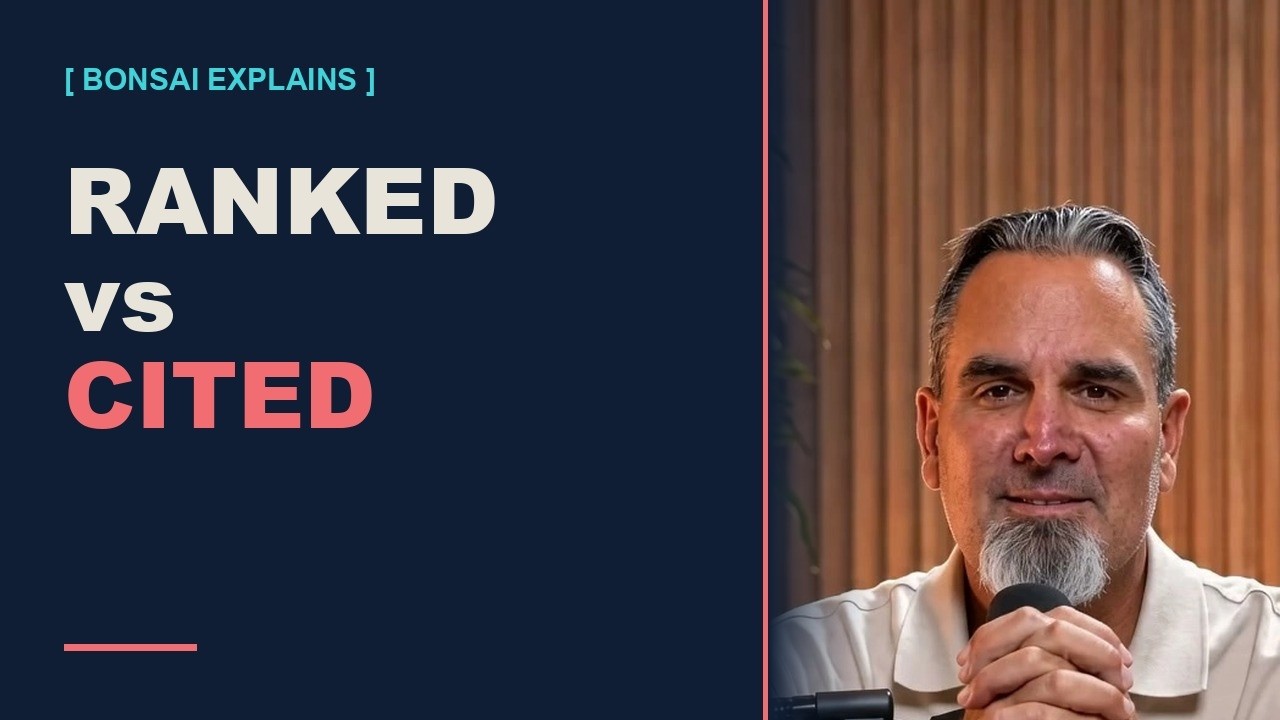
Ranking was about relevance — citation is about consensus across many independent sources saying the same thing.
Answer engines like ChatGPT, Perplexity, and Google AI Overviews assemble sentences from what they believe, not from what ranks highest.
The number one AEO problem in most audits is not weak content — it is inconsistent facts scattered across a business's own profiles and directories.
A page that quotes a specific price range and time estimate is quotable; a page that says 'leading provider of premium solutions' is not.
No agency can guarantee a citation in an AI answer engine — but you can make yourself the most consistent, most quotable option in your category.
Three acronyms are circulating right now — AEO, GEO, AI SEO — and they are mostly the same idea wearing different shirts. Before you spend another hour debating terminology, here is what is actually happening and the two moves worth your time.
Search Changed Its Unit of Output
For 25 years, search had one job: return a list of links. Every SEO tactic ever invented was built around winning a click from that list. That model is not dead, but it is no longer the whole game.
A growing share of searches now end without a click. Google surfaces an AI Overview at the top of the page. ChatGPT just answers. Perplexity writes you a sourced paragraph. The user got what they needed before they ever visited a website.
Answer Engine Optimization is the practice of being the source those answers are drawn from. Not ranking in position one — being cited as a credible input.
Why This Is Genuinely Different
Google ranked pages against each other. Answer engines do something closer to forming an opinion.
When ChatGPT recommends three contractors in your area, it is not surfacing the top three ranked pages. It has processed an enormous amount of material, developed something like a belief about who is credible in that category, and it is repeating that belief. You are not competing for a slot in an index. You are competing to become part of what the model thinks is true.
That distinction changes the work entirely.
Ranking Was About Relevance. Citation Is About Consensus.
A model does not cite you because your page is well-optimized. It cites you because your name appears consistently across many independent sources — your website, your Google Business Profile, directories, reviews, other people’s articles, forum mentions, video transcripts — all saying the same thing about who you are and what you do.
Consistency signals safety. When every source agrees, you become a reliable thing to repeat. When sources contradict each other, you become a liability the model quietly sets aside.
This is why the most common AEO problem found in audits is not thin content. It is a business with three versions of its own address, two different phone numbers, a category that does not reflect what it actually sells, and a website that describes itself differently than its own Google profile does. No blog strategy fixes that.
The Two Moves That Actually Matter
Get your facts to agree everywhere. Name, address, phone number, service categories, and hours should be identical across your website, your Google Business Profile, and every directory you appear in. This work is unglamorous. It is also the highest-return hour most businesses will spend on their digital presence.
Answer real questions with specific language, in public, where a model can quote you. A page that says a standard water heater installation in Sonoma County runs between $1,800 and $2,600 and takes about four hours is extremely quotable. A page that says you are a leading provider of premium solutions gives a model nothing to work with. Specificity is the currency of citation.
One Honest Caveat
Nobody controls what Perplexity or ChatGPT or Google AI Overviews decide to surface. Any agency promising a guaranteed citation is selling something that does not exist.
What you can control is how consistent, how credible, and how quotable you are when a model goes looking for an answer in your category. Do those two things well and you are already ahead of most competitors — because most competitors are still arguing about which acronym is correct.
As AI search keeps consolidating into fewer, more confident answers, the businesses that built consistent, specific, credible presence early will be the ones the models keep reaching for.
Answered.
What is Answer Engine Optimization (AEO)? +
AEO is the practice of becoming the source that AI answer engines — like ChatGPT, Perplexity, and Google AI Overviews — pull from when assembling a response. It is about being cited, not ranked.
How is AEO different from traditional SEO? +
Traditional SEO competed for a position on a list of links. AEO competes to be part of what an AI model believes about your category. The unit changed from ranked pages to assembled sentences.
Why does consistency matter so much for AI citation? +
When your name, address, phone, categories, and services match exactly across your website, Google Business Profile, and every directory, you become a safe thing for a model to repeat. Contradictions make you a risk the model quietly avoids.
What kind of content gets cited by AI answer engines? +
Specific, factual, plainly written content gets cited. A page that states a water heater install in Sonoma County runs $1,800 to $2,600 and takes about four hours gives a model something concrete to repeat. Vague positioning language gives it nothing.
Can an agency guarantee placement in ChatGPT or Perplexity? +
No. Any agency promising a guaranteed spot in an AI answer engine is selling something they do not control. The goal is to become the most consistent, most credible, most quotable option — and be there when the model looks.