The Hardest Choice: Breaking Down Life to Build it Better
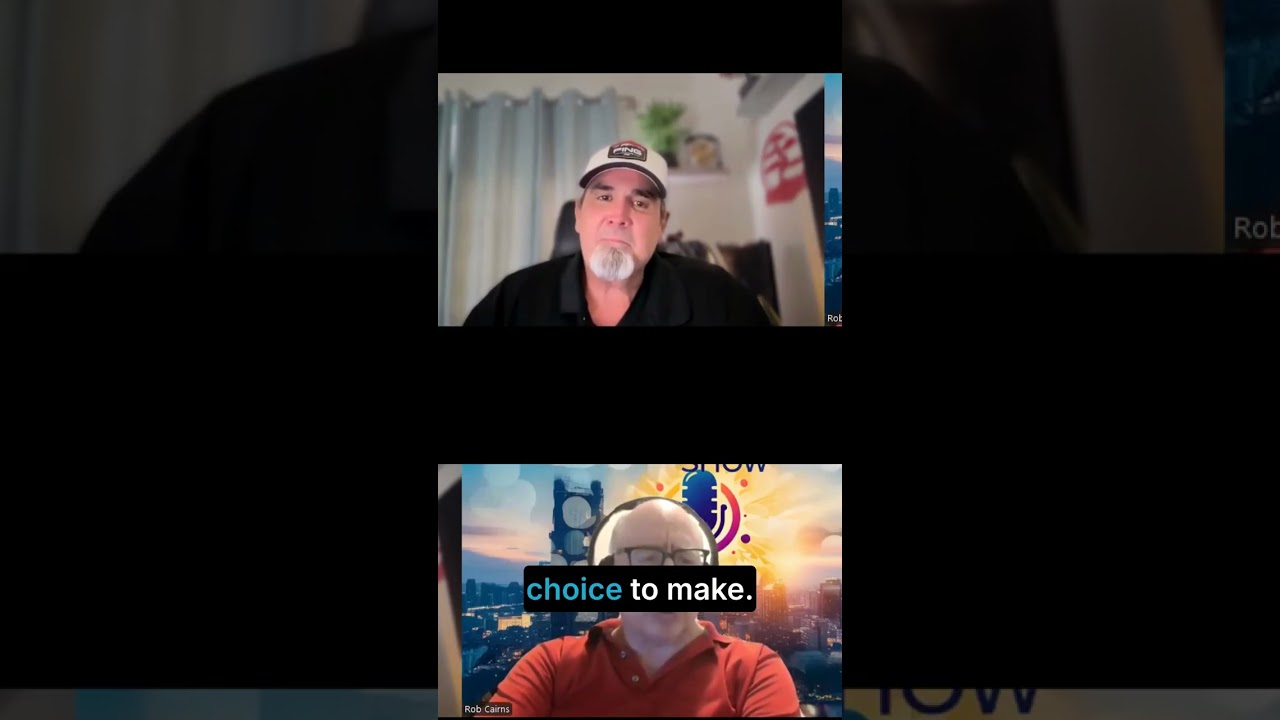
Most people never stop to ask what they're doing wrong — and that avoidance is exactly what keeps them stuck. Bryan Fikes breaks down why tearing it all apart is the only real path forward.
Most people never stop to ask what they're doing wrong — and that avoidance is exactly what keeps them stuck. Bryan Fikes breaks down why tearing it all apart is the only real path forward.
The hardest choice you can make is also the most honest one: admitting something in your life is not working.
Most people avoid a real self-audit because the truth requires action, and action requires courage.
Breaking your life down is not failure — it is the first move of someone who actually wants to win.
The willingness to examine what you are doing wrong is rarer than talent, and more valuable than strategy.
Growth does not start with a plan. It starts with an uncomfortable question most people refuse to ask.
Most people never ask the question. Not really. They tweak, they adjust, they try new tools or new routines — but they never sit down and say, what am I actually doing wrong? That question is harder than it sounds. And the fact that you are asking it already puts you in rare company.
The Choice Most People Refuse to Make
There is a version of self-improvement that feels productive without being honest. You read the books, you optimize the schedule, you follow the right accounts. But none of that matters if you have not done the harder thing first — breaking down what is not working.
Bryan Fikes is direct about this: most people never make that choice. Not because they lack the information, but because the question itself is uncomfortable. Admitting something is wrong means you have to do something about it.
Avoidance Has a Cost
Staying in a situation you know is not working is not neutral. It compounds. Every week you do not examine the problem, you are investing more time, energy, and identity into something that is quietly costing you.
Busyness is often the mechanism. When you are always moving, you never have to stop and look. But movement is not progress. And staying occupied is one of the most effective ways to avoid the kind of honest audit that actually changes things.
Breaking Down Is Not Falling Apart
There is a difference between breaking down and falling apart. Falling apart is reactive — it happens to you. Breaking down is deliberate — you choose it.
When you choose to examine your life with that level of honesty, you are not in crisis. You are in control. The willingness to look at what is wrong, without flinching, is one of the most strategic things a person can do.
Why Most People Never Get There
The barrier is not intelligence. It is not resources. It is the willingness to be wrong about something you have been doing for a long time. That is a harder pill than most people are ready to swallow.
But here is what is true: the people who do make that choice — who sit down and genuinely ask what am I doing wrong and how do I make it better — are the ones who actually move. Not the ones with the best plan. Not the ones with the most experience. The honest ones.
What Comes After the Question
Once you ask the real question, the path forward gets clearer. Not easier — clearer. You stop wasting energy defending patterns that are not serving you. You stop tweaking around the edges of a problem you have not named yet.
You start building from a real foundation instead of a comfortable assumption.
- The question is not how do I improve this?
- The question is why is this not working?
Those are not the same question. And the difference between them is the difference between incremental adjustment and actual change.
The Rarest Skill in the Room
Honest self-examination is not taught. It is not common. And it does not get enough credit as the strategic advantage it actually is. In business, in life, in any arena where results matter — the person who can look at their own operation clearly and without ego has a distinct edge over everyone who cannot.
That clarity is where real growth begins. Not in the strategy deck. Not in the next tool or the next tactic. In the moment you stop protecting what is not working and start building something that actually does.
The hardest choice is usually the right one — and the people who make it rarely regret it.
Answered.
Why is it so hard to examine what you are doing wrong in life? +
Because honest self-examination removes every excuse. Most people would rather stay comfortable in a situation that is not working than face the discomfort of changing it.
What does it mean to break down your life to build it better? +
It means pausing, stripping away the noise, and asking hard questions about what is actually producing results and what is not. You cannot build something better on a foundation you have never inspected.
Is admitting you are doing something wrong a sign of weakness? +
No. It is the opposite. It takes more discipline to call out your own patterns than to blame circumstances. That kind of honesty is what separates people who grow from people who stay stuck.
How do most people avoid real self-reflection? +
They stay busy. They focus on tactics, distractions, and surface-level changes that never touch the root problem. Busyness is the most socially acceptable form of avoidance.
Where do you start when you want to rebuild your life or your business? +
Start with one honest question: what am I doing that is not working? Not what could be better — what is actively wrong. The answer to that question is your actual starting point.