Burnout in My Mid-30s? I Cracked Under Pressure!
Bryan Fikes opens up about cracking under pressure in his mid-30s — and how the burnout that broke him down ultimately redirected his entire path forward.
▤ Video transcript Show + Hide -
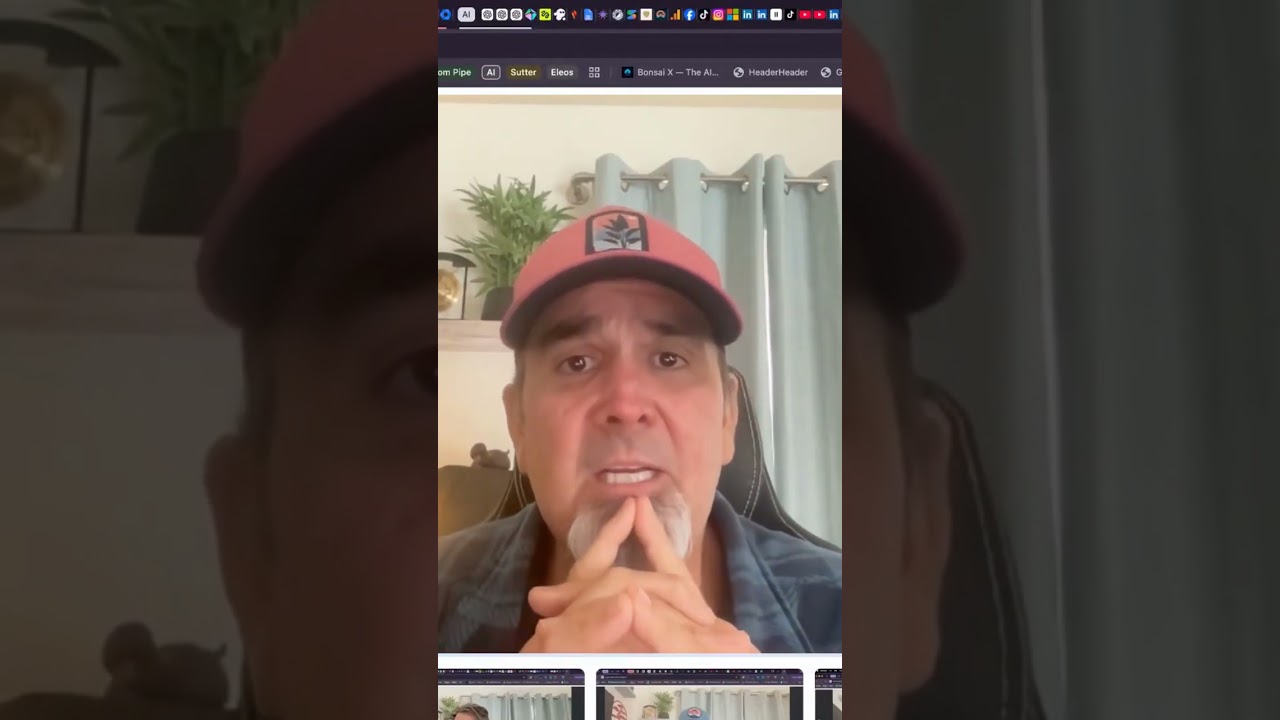
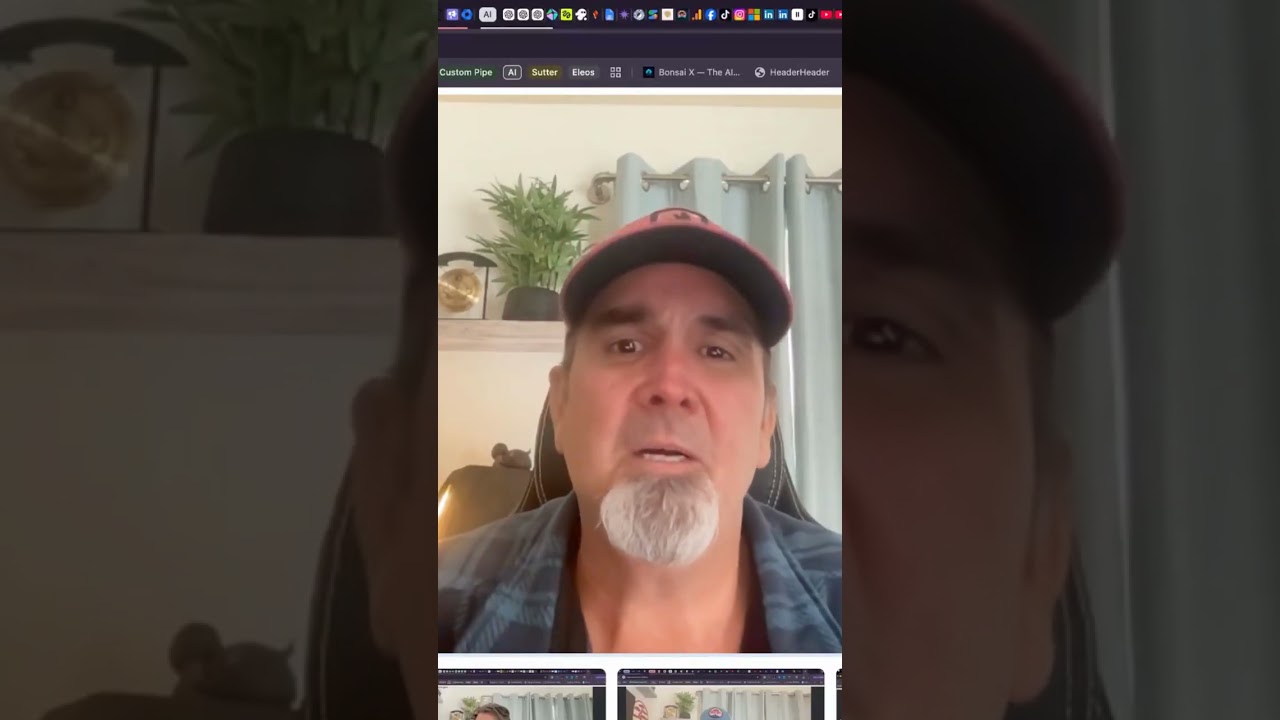
You know, the weight of that, uh, may have been a part of what kind of steered me to, um, the path that I went down. Um, you know, I got into this when I was early when I was young, early 20s, and the vigor and the energy was easy, but, you know, as I got into my mid-30s, I I think I cracked. I just I couldn't handle it.
Auto-generated from the video · 71 words
Bryan Fikes opens up about cracking under pressure in his mid-30s — and how the burnout that broke him down ultimately redirected his entire path forward.
Starting young gives you energy, but it doesn't prepare you for the sustained pressure that builds over a decade.
Burnout isn't a sign of weakness — it's a signal that something in your approach has to change.
The moment Bryan cracked became the turning point that shaped the work he does today.
Early-career vigor can mask the slow accumulation of stress until the weight becomes undeniable.
Recognizing when you can't handle something is the first honest step toward building something better.
There’s a version of ambition that feels invincible. You start young, you move fast, and the energy seems like it will never run out. For Bryan Fikes, that chapter started in his early 20s — and it ran hard for over a decade before the weight of it finally caught up.
When the Vigor Runs Out
Starting a career young has real advantages. The hustle comes naturally. You don’t yet know what you don’t know, and that ignorance fuels a kind of fearless momentum. Bryan built on that foundation for years.
But energy without sustainable structure is a loan, not an asset. And by his mid-30s, Bryan hit the moment he describes simply and honestly: he cracked. He couldn’t handle it.
That’s not a failure statement. That’s one of the most self-aware things a person can say.
The Weight Nobody Talks About
Burnout doesn’t arrive all at once. It accumulates. Every year of sustained pressure adds another layer — decisions, expectations, growth, grind — until the structure you built on pure drive starts to buckle.
For a lot of high performers, the mid-30s are where that reckoning happens. The early career energy has been spent. The work is more complex. The stakes are higher. And the coping mechanisms that worked at 24 don’t hold at 35.
Bryan doesn’t dress this up. He says the weight may have steered him toward the path he eventually took. That phrasing matters. The crack wasn’t the end — it was a redirect.
What Breaking Down Actually Produces
There’s a difference between quitting and recalibrating. Burnout at its worst looks like collapse. But for people willing to sit with it honestly, it often produces clarity that comfort never could.
- You stop ignoring what isn’t working.
- You stop running systems built for a younger version of yourself.
- You start building something designed to last.
Bryan’s willingness to name this moment publicly — without softening it or spinning it into a tidy redemption arc — is exactly the kind of honesty that resonates with anyone who has felt the same weight and wondered if they were the only one.
The Career Lesson Hidden in the Admission
Most people in this industry project invincibility. Consistency, confidence, results — that’s the public face. The internal reality for a lot of long-tenured professionals looks a lot more like what Bryan describes.
The lesson isn’t that pressure breaks people. The lesson is that ignoring pressure long enough eventually forces a reckoning — and how you respond to that reckoning determines everything that comes after.
Bryan came out of his with a different approach to his work, his focus, and the way he builds. That foundation is visible in everything Bonsai Marketing does today.
Why This Conversation Matters
Talking about burnout in a professional context still carries unnecessary stigma. Leaders don’t crack. Founders don’t admit they couldn’t handle it. That silence is expensive — for the people carrying the weight alone and for the culture that rewards performance over honesty.
Bryan’s account is a reminder that the most durable professionals aren’t the ones who never broke. They’re the ones who rebuilt with intention after they did.
The path forward is rarely a straight line — and sometimes the most important turn comes right after the hardest moment.
Answered.
Did Bryan Fikes experience burnout? +
Yes. Bryan openly discusses cracking under pressure in his mid-30s after starting his career in his early 20s. The sustained weight of the work over that period became more than he could carry at the time.
What caused Bryan Fikes to burn out? +
Bryan points to the accumulated pressure of a career that started with high energy in his early 20s. By his mid-30s, the vigor that once came easily had worn down, and the weight of it steered him toward a significant personal and professional turning point.
How does early-career energy affect long-term burnout risk? +
Starting young often means running hard without building sustainable systems. The energy feels unlimited at first, but without the right structure, that pace catches up — sometimes all at once.
What did Bryan do after burning out? +
The burnout redirected Bryan's path. Rather than pushing through the same way, it became the catalyst for how he approached his work differently going forward.
Is it normal to crack under pressure in your mid-30s? +
It's more common than most people admit. The mid-30s often mark the point where early ambition collides with accumulated stress, responsibility, and the limits of running on raw drive alone.